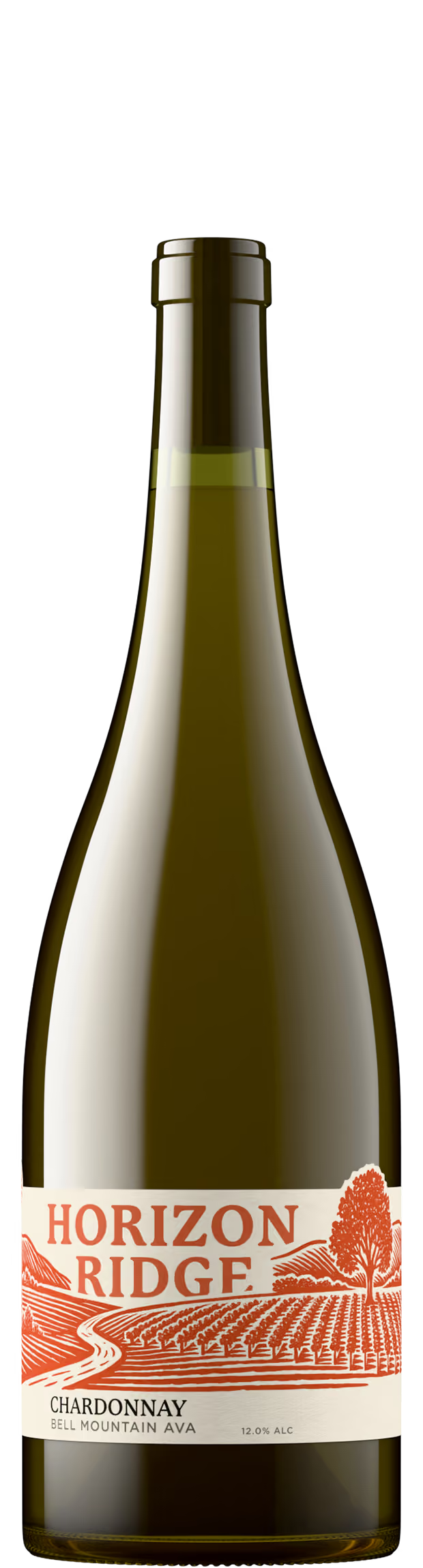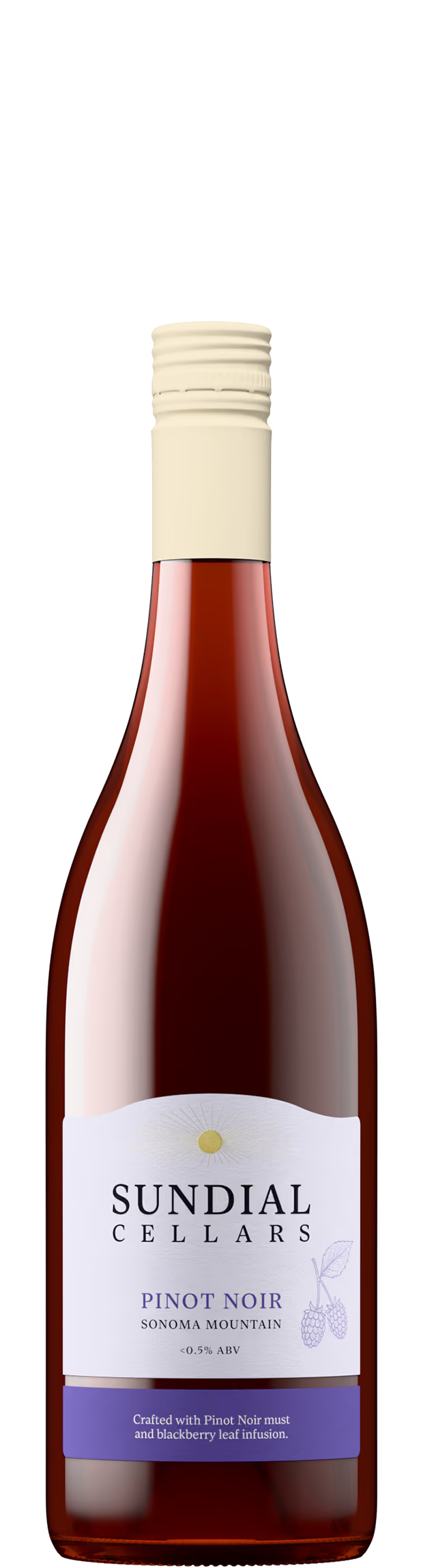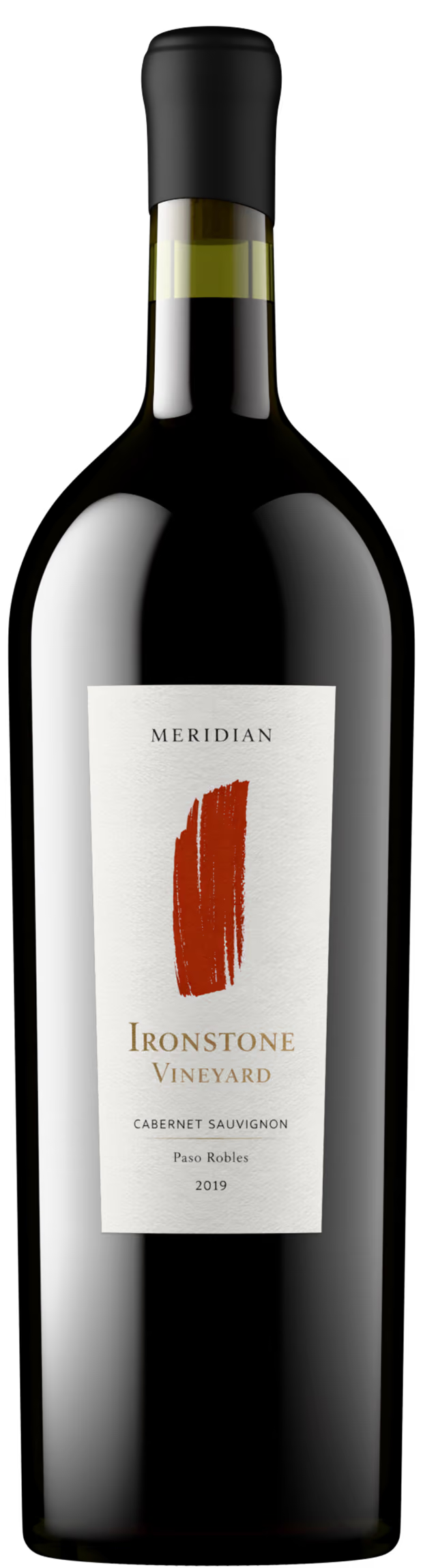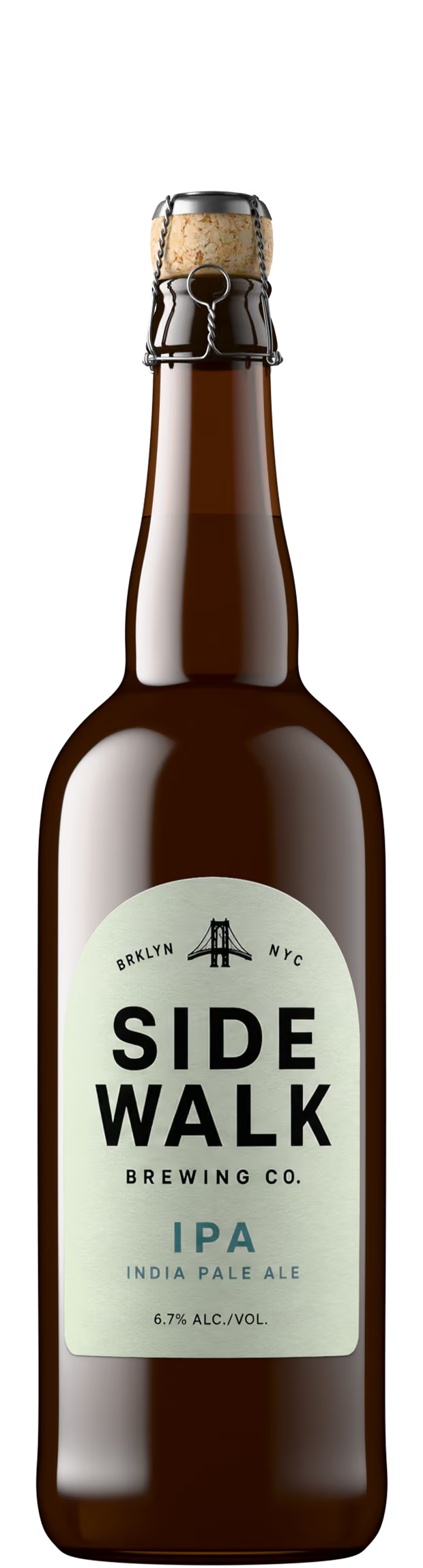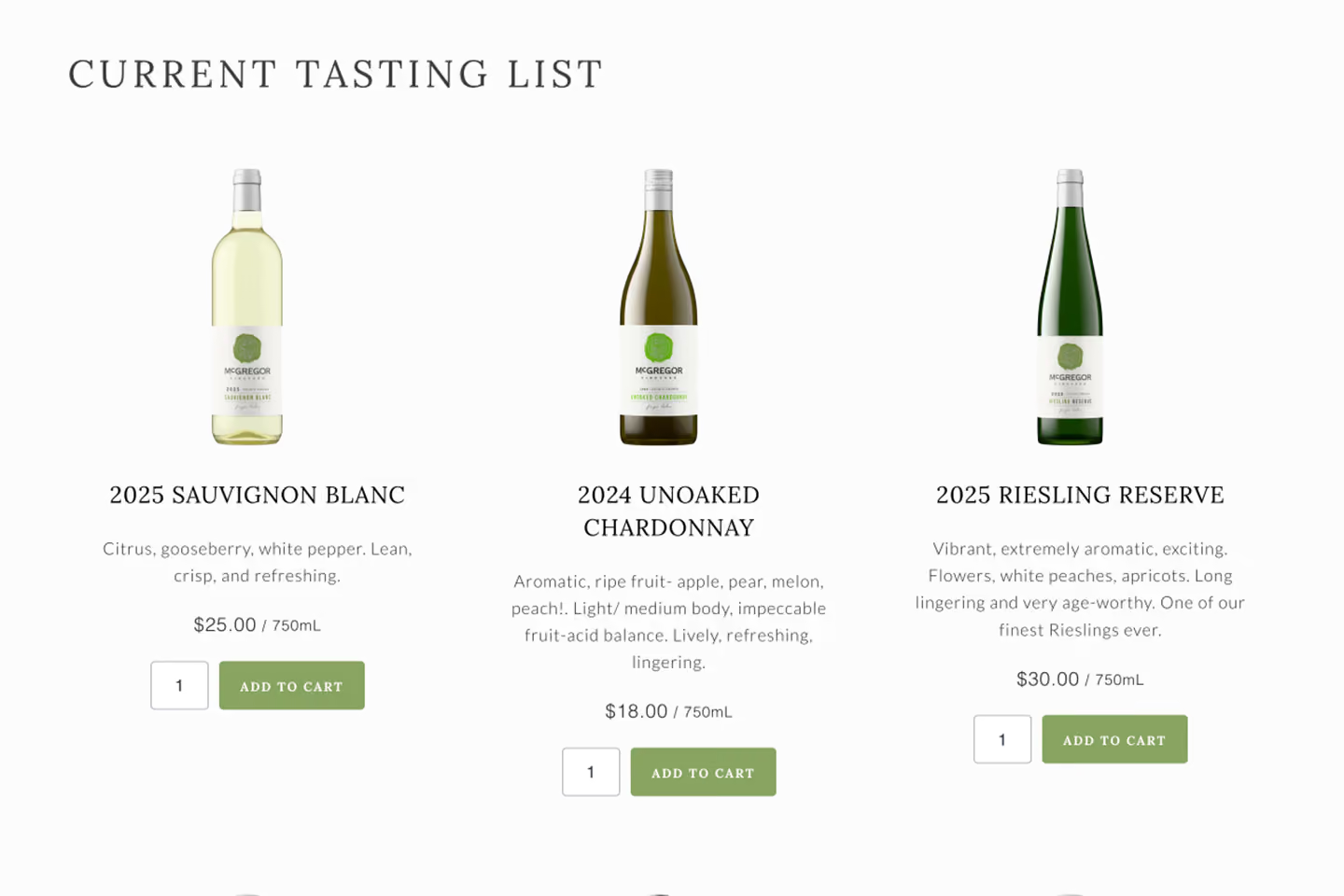



A bold, colorful wine brand where one set of bottle shots is used across the producer's site and regional retail channels.
Fellow Wines is a small Clarksburg, California producer known for its bold, graphic labels. Geometric shapes, vibrant color blocking, and a hand-lettered logo give each wine its own personality while maintaining a strong family resemblance.
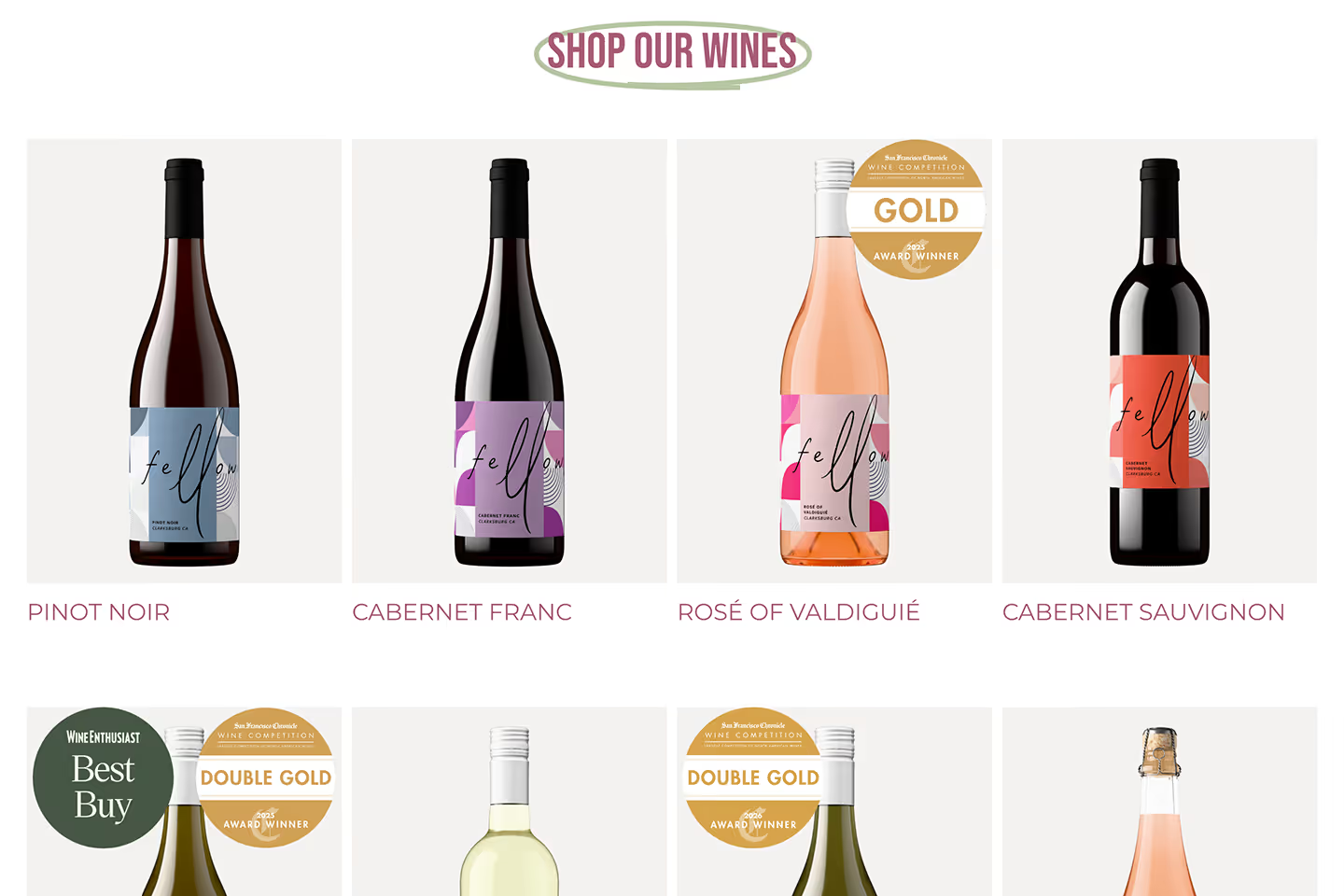
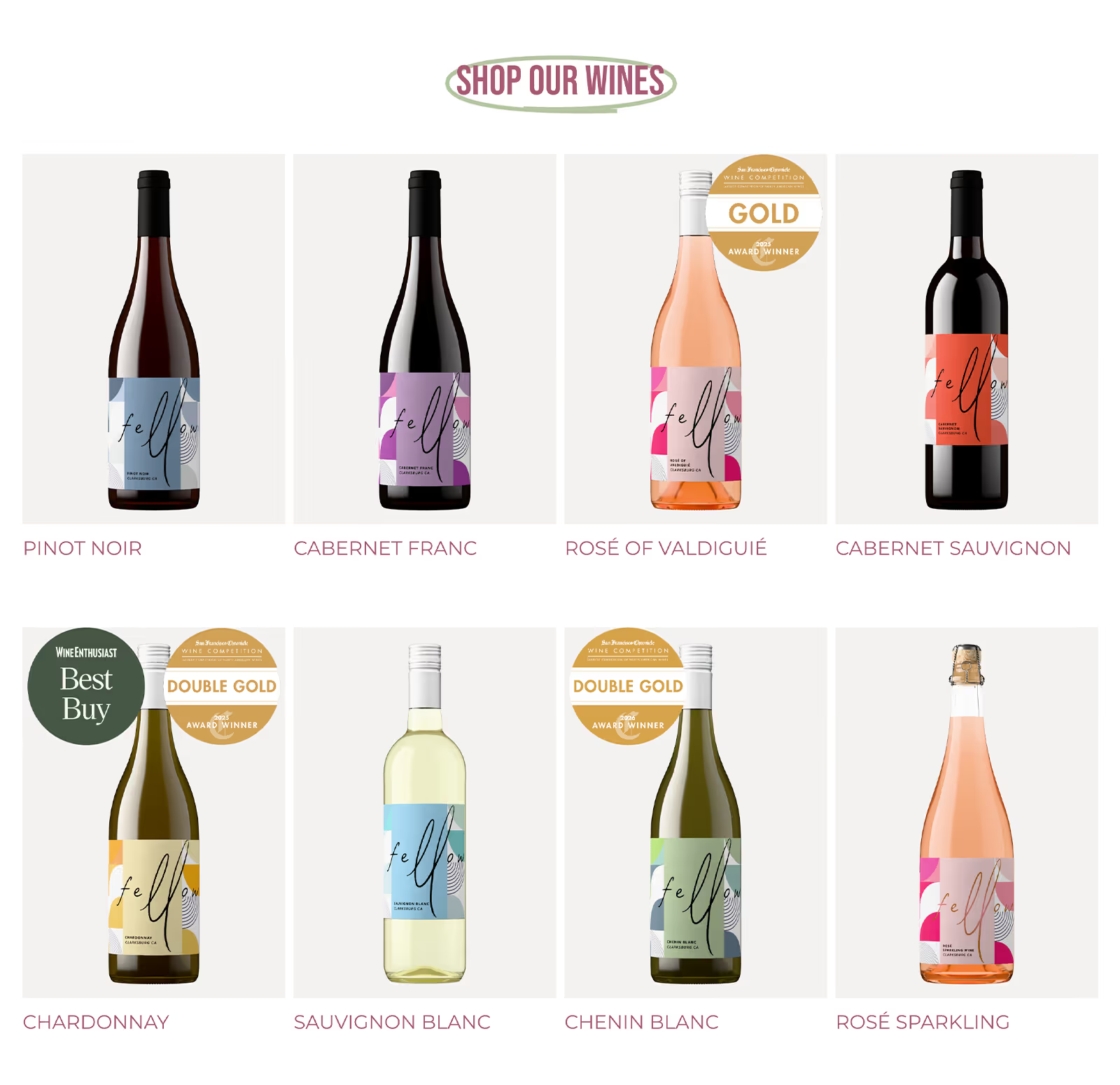
On the homepage, the "Shop our wines" grid shows all eight bottles in a clean, evenly lit row. Each photo shares the same lighting, background, and crop, with glass color shifting correctly between varietals. The label detail is sharp enough to read at a glance.

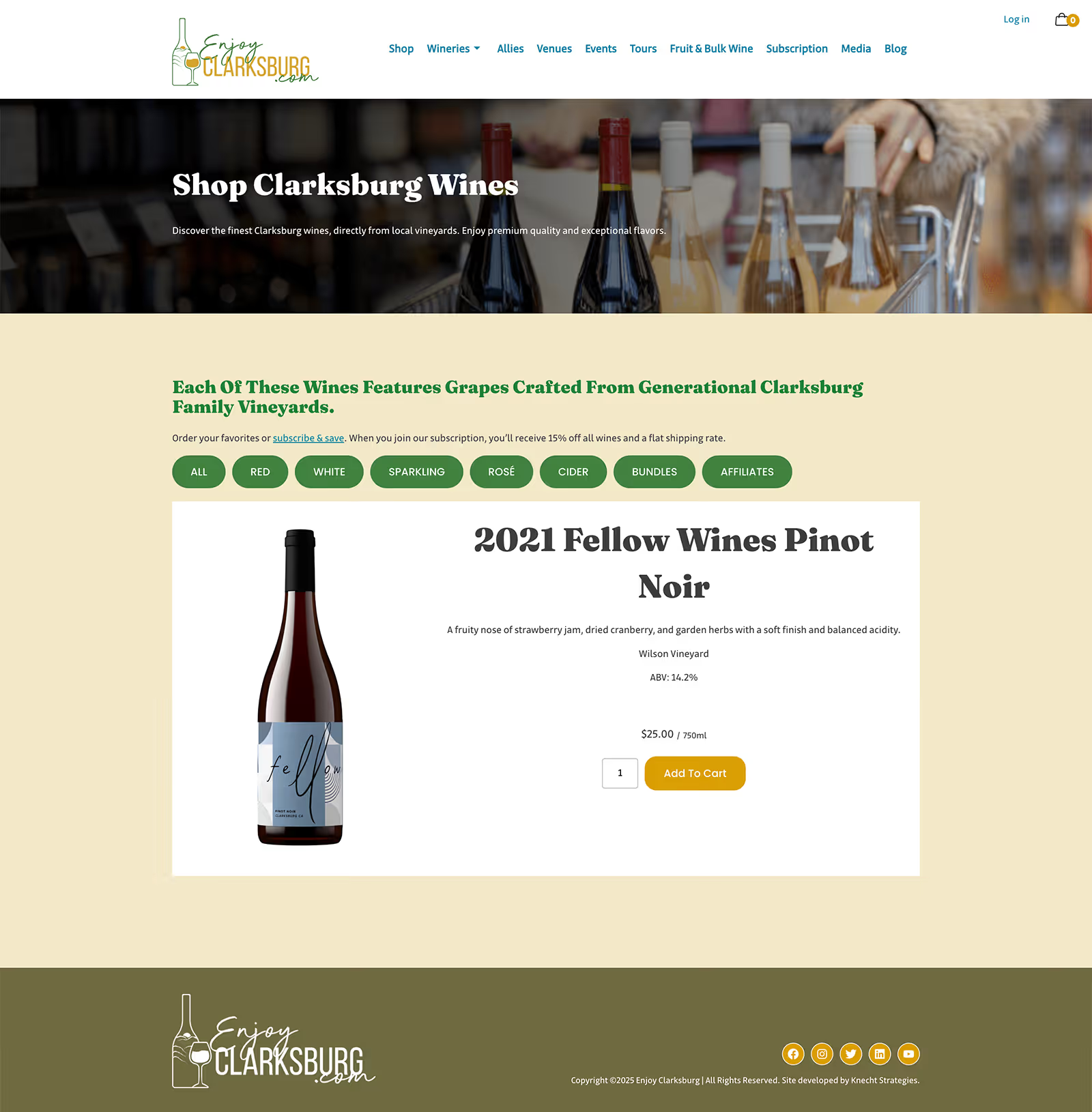
The real test comes off-site. Fellow's wines also appear on Enjoy Clarksburg, a regional retail platform. The same clean renders hold up within this busier layout without looking out of place. The bottles remain constant while the context changes around them.

One SKU, the Cabernet Franc, uses a lifestyle photo on the retail site instead of the standard render, which immediately breaks the pattern. The lighting is different, the scale feels off, and the crop doesn't match the rest of the lineup. The eight rendered shots share a visual language, but the lifestyle photo does not.
Fellow's distinctive label design benefits from a rendering approach that stays out of the way. The imagery doesn't compete with the packaging; it presents it clearly, lets the design do its work, and stays consistent wherever the bottle appears.
Build one set of images, use them everywhere: The same renders work across a brand site and a third-party retail channel.
Let the label do the talking: Bold packaging reads best when the imagery stays clean and consistent.
Watch for the odd one out: A single mismatched photo reveals how much consistency the rest of the lineup shares.
Match closures and glass to reality: Accurate screwcaps, corks, and glass color make renders feel true to the product.
Think beyond your own site: Product images travel. They need to hold up in templates and layouts you do not control.
Treat your full portfolio as a system: When every bottle follows the same visual standard, the lineup sells as a collection, not just individual wines.


A bright, lifestyle-driven wine site where playful energy and clear bottle visuals work hand in hand.
Rara feels bright, lively, and unmistakably human. Large lifestyle banners and colorful photography set a playful tone that reflects both the wines and the winemaker’s personality.
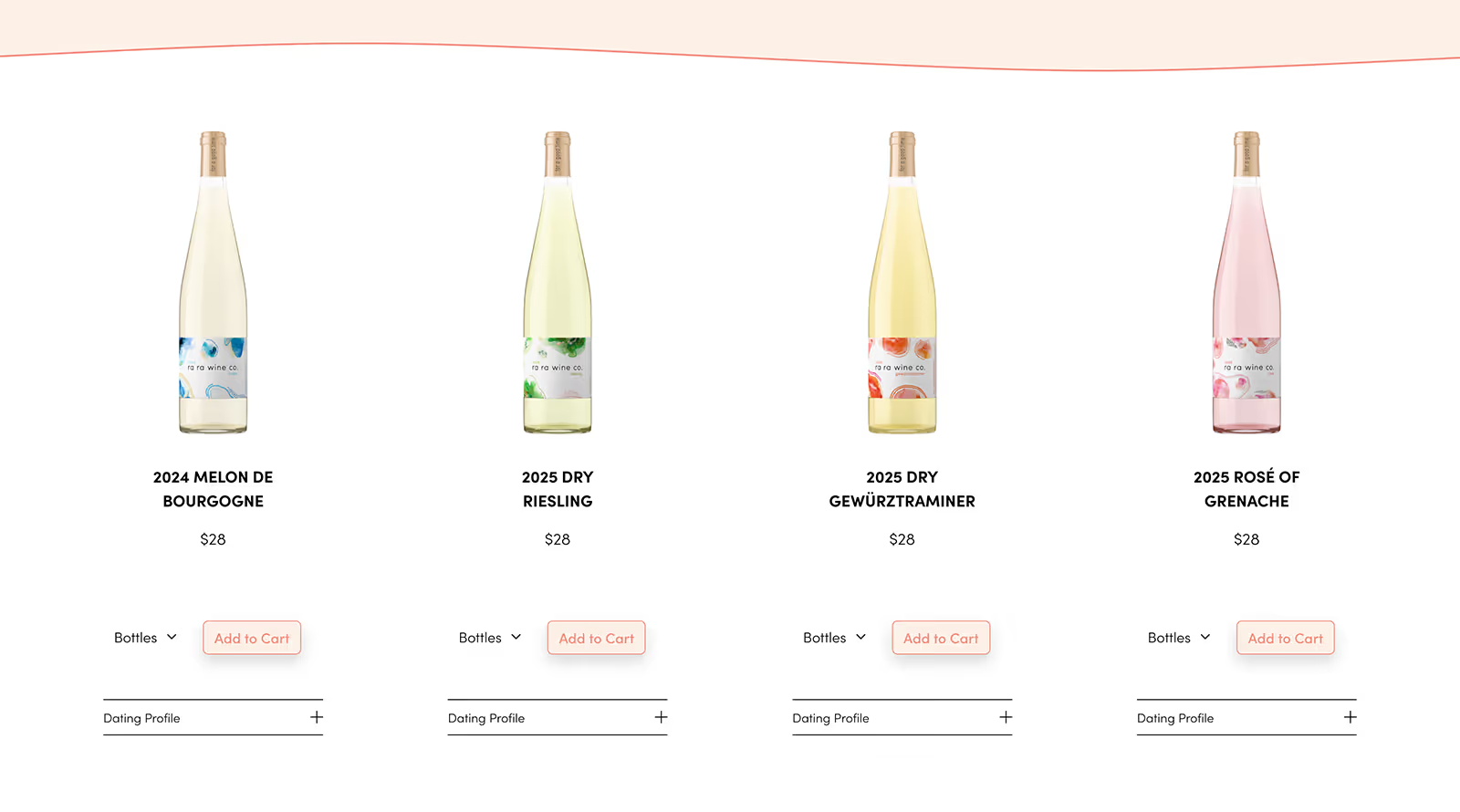
On the shop page, the structure tightens. Each bottle is presented consistently and confidently. Hovering over a product reveals poetic lines and tasting notes that use emotion to spark curiosity before providing information.

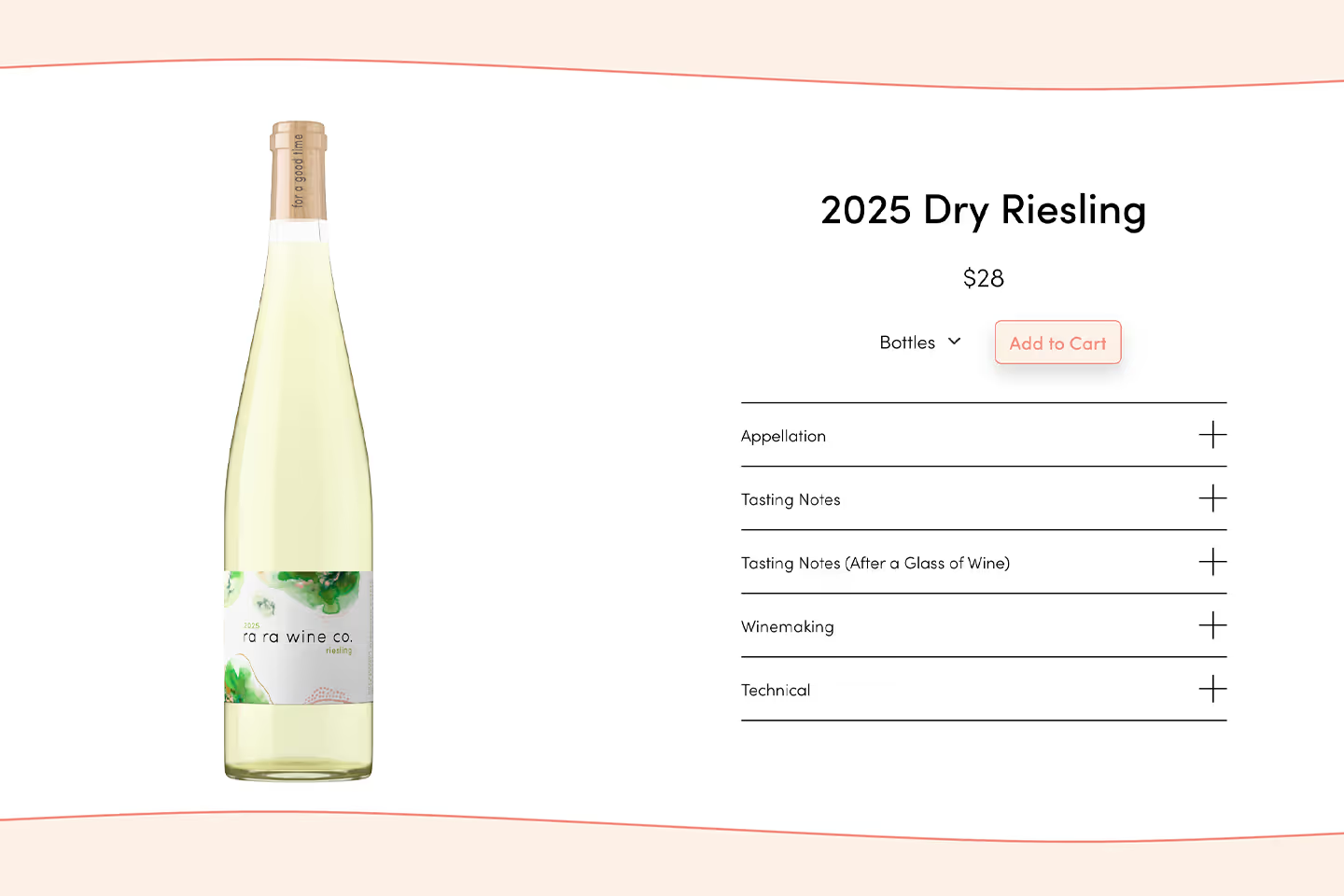
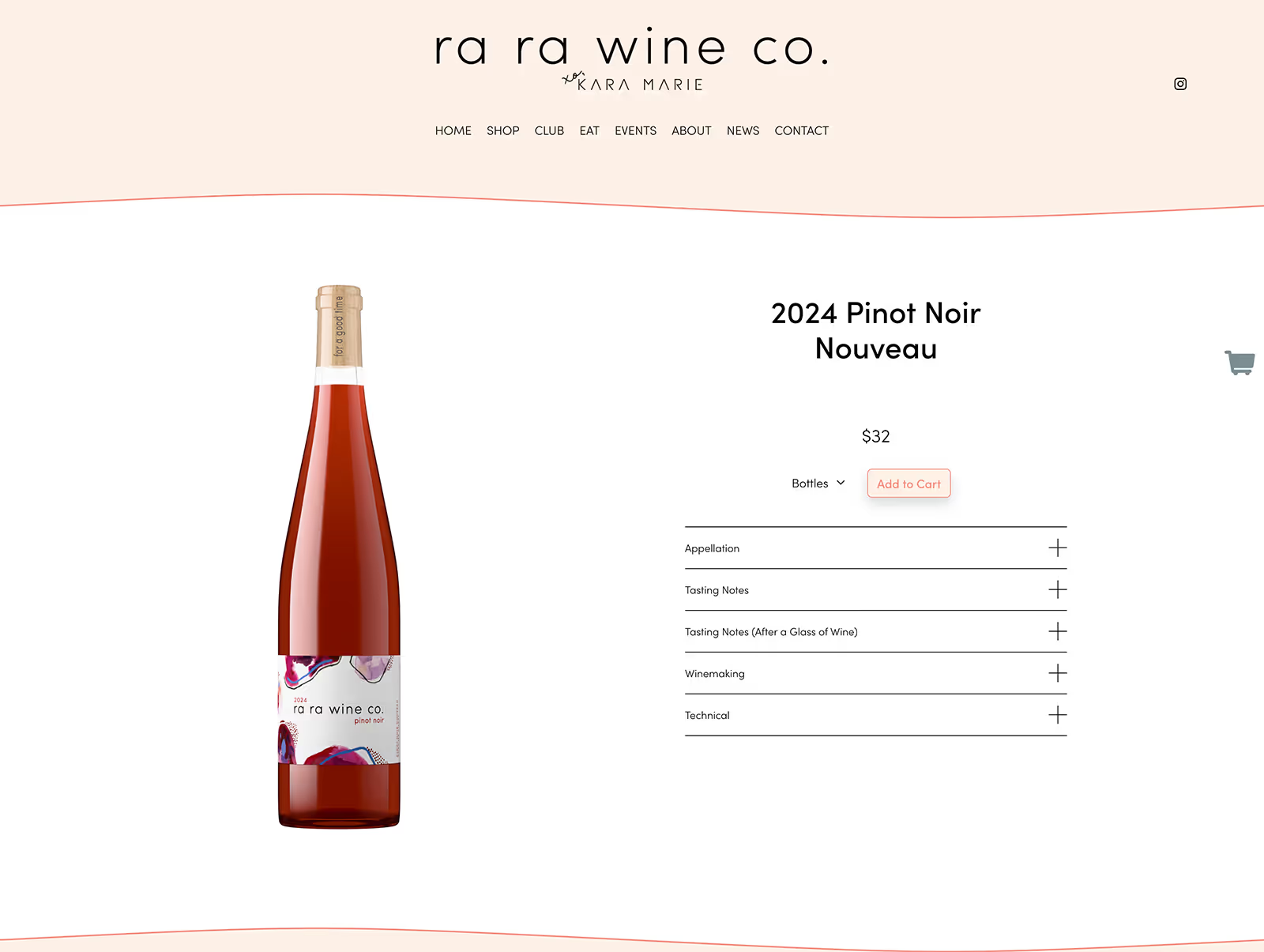
The product pages pair clean bottle renders with lifestyle images to add context without sacrificing clarity. To overcome the limitations of Outshinery Lite, which doesn't allow for branding on corks, the team added this detail after the digital renders were complete, creating a greater sense of authenticity.

The content layers are well-balanced. Playful cues like “main character energy” sit alongside technical specs like pH and residual sugar, offering whimsy for the casual drinker and depth for the expert. Finally, a simple banner highlighting free shipping makes the path to purchase feel easy and welcoming.
This site proves a brand can be expressive and personality-driven while keeping its product presentation disciplined.
Lead with personality: Lifestyle and color create immediate emotional connection.
Hold product to a standard: Consistent bottle renders anchor the experience.
Use hover moments: Short poetic notes spark curiosity before details appear.
Layer information: Whimsy and technical depth can coexist on the same page.
Support buying momentum: Clear banners and structure make decisions easy.
Let product and personality work together: Expression does not replace clarity.


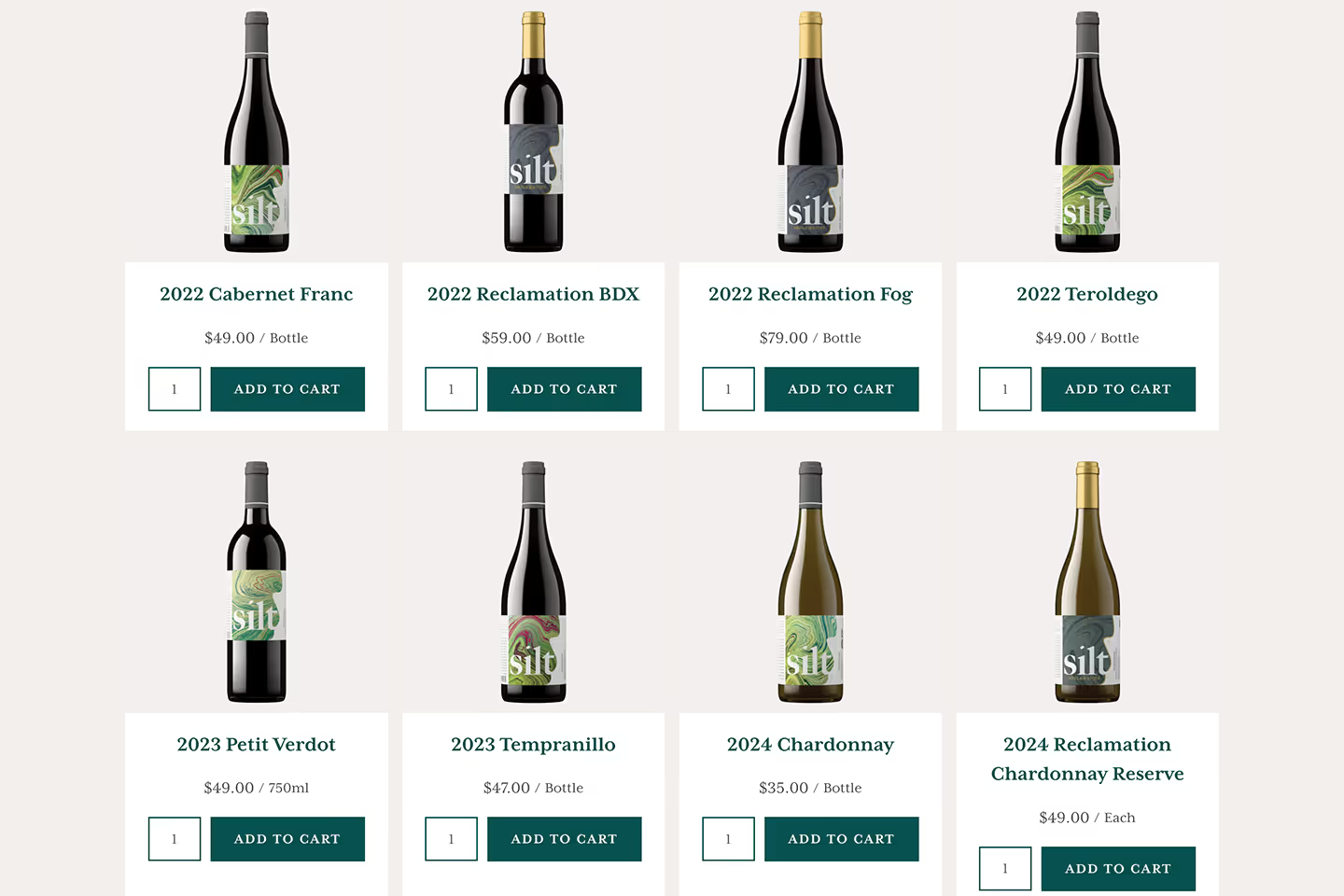
A clean, confident wine site where consistent bottle visuals do most of the selling.
Silt’s website is not trying to be revolutionary. It is trying to be clear, and that is why it works.
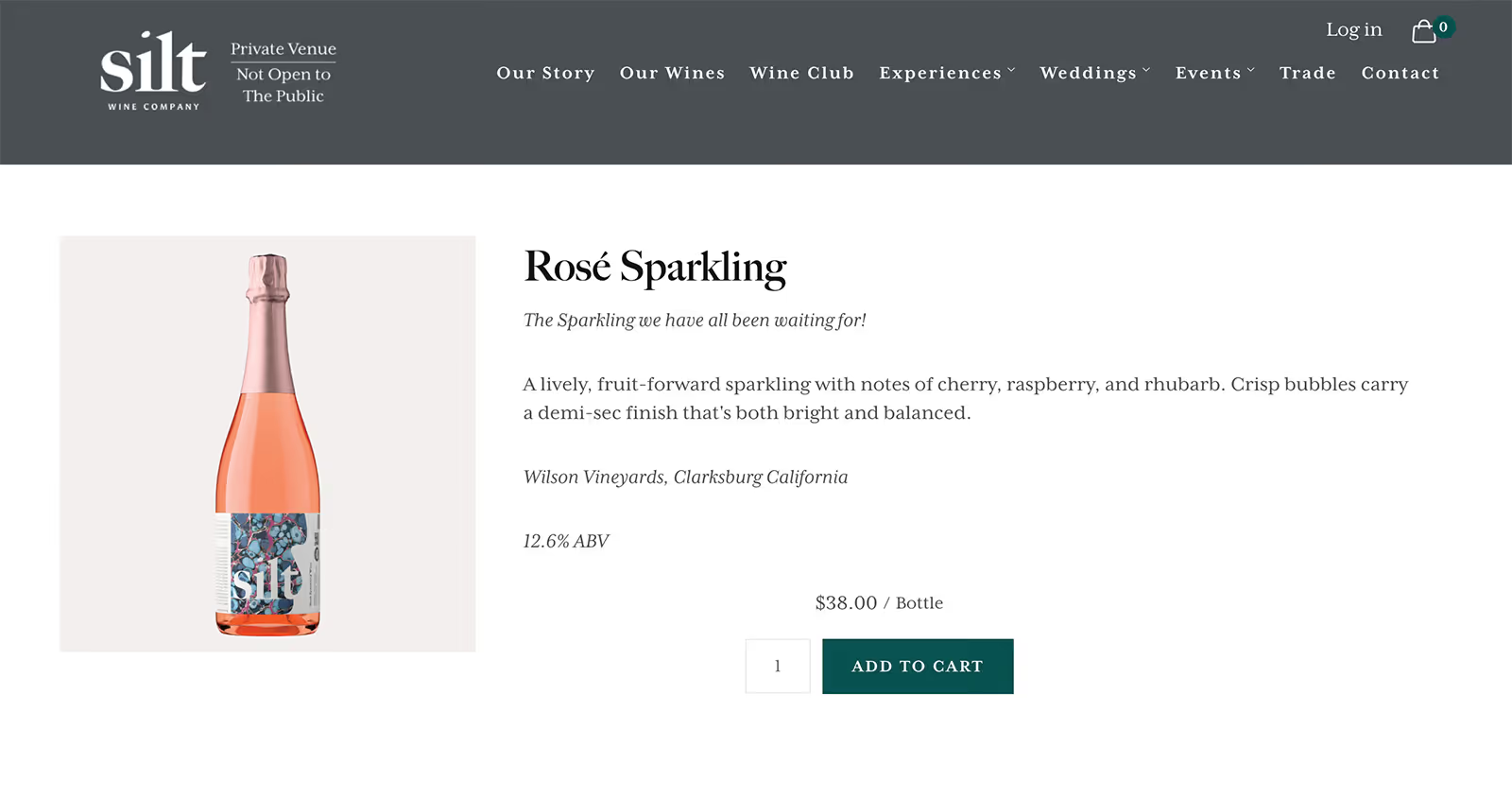
From the featured wines to the full listing page, every bottle follows the same visual discipline. Different formats and colors still feel like one family. Labels are readable, bottles are large enough to sell, and backgrounds stay consistent.

A subtle capsule detail, likely added in Canva, personalizes the Outshinery Lite renders just enough to match the real product. The illusion breaks with the Cara Vita wines. Different photography style, lighting, and scale feel older and less premium. It is not the wine that changes, it is the imagery standard.

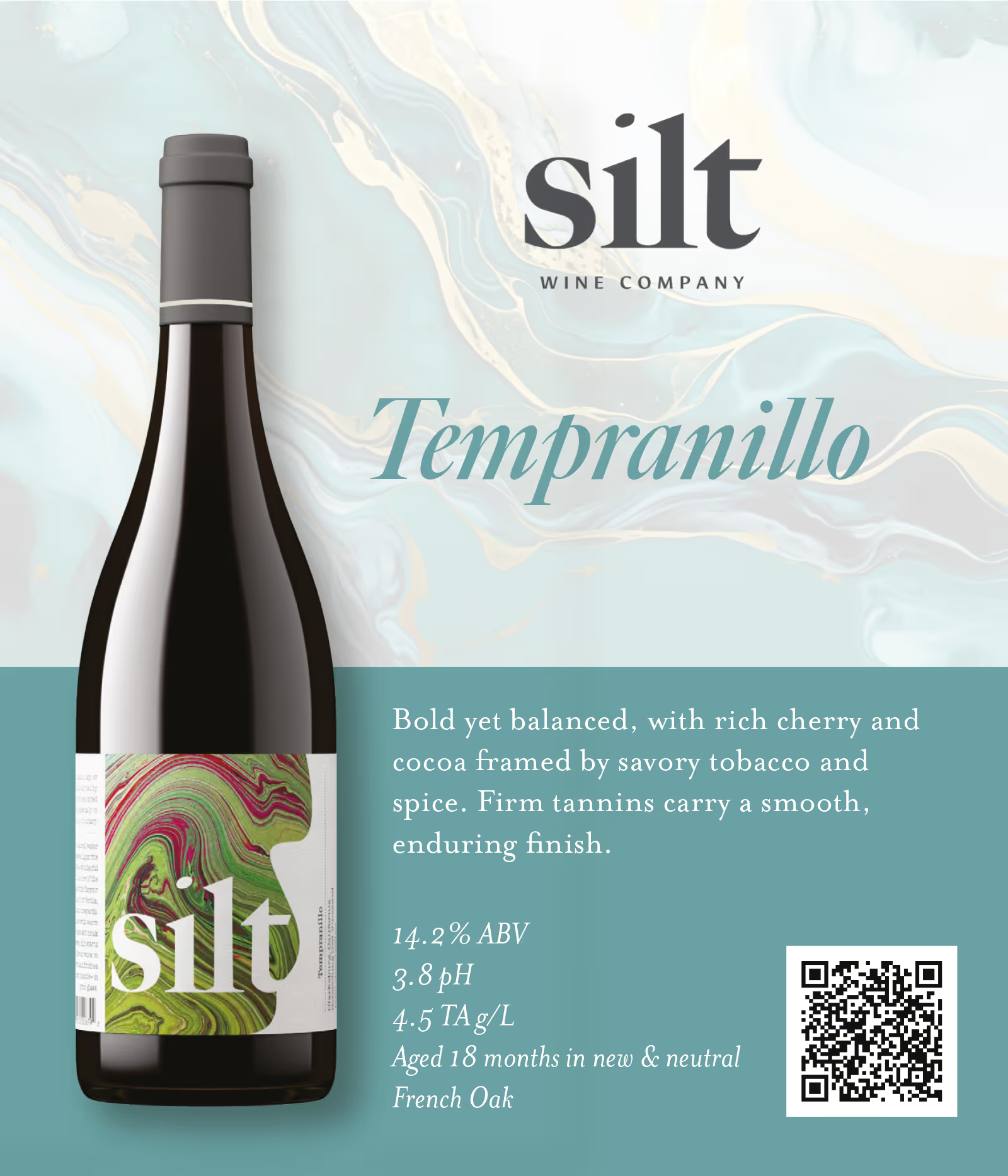
The trade page stands out. Each SKU offers tech sheets, bottle PNGs, label PDFs, and shelf talkers built from the same visuals.
They made it easy not only to buy their wine, but to sell it.

Establish rules first: Defining how products appear ensures a cohesive look.
Maintain scale and background: Consistency creates a premium feel across the lineup.
Prioritize readability: Clear labels reduce friction and speed up buying decisions.
Use subtle branding: Small tweaks, like capsule lines, add specificity without breaking the system.
Standardize photography: A single style prevents inconsistencies that can distract customers.
Create versatile assets: Unified visuals simplify things for retailers, media, and partners.
Focus on clarity: Clear product presentation sells better than flashy design.


A modern, well-designed wine site where strong visuals make buying feel effortless.
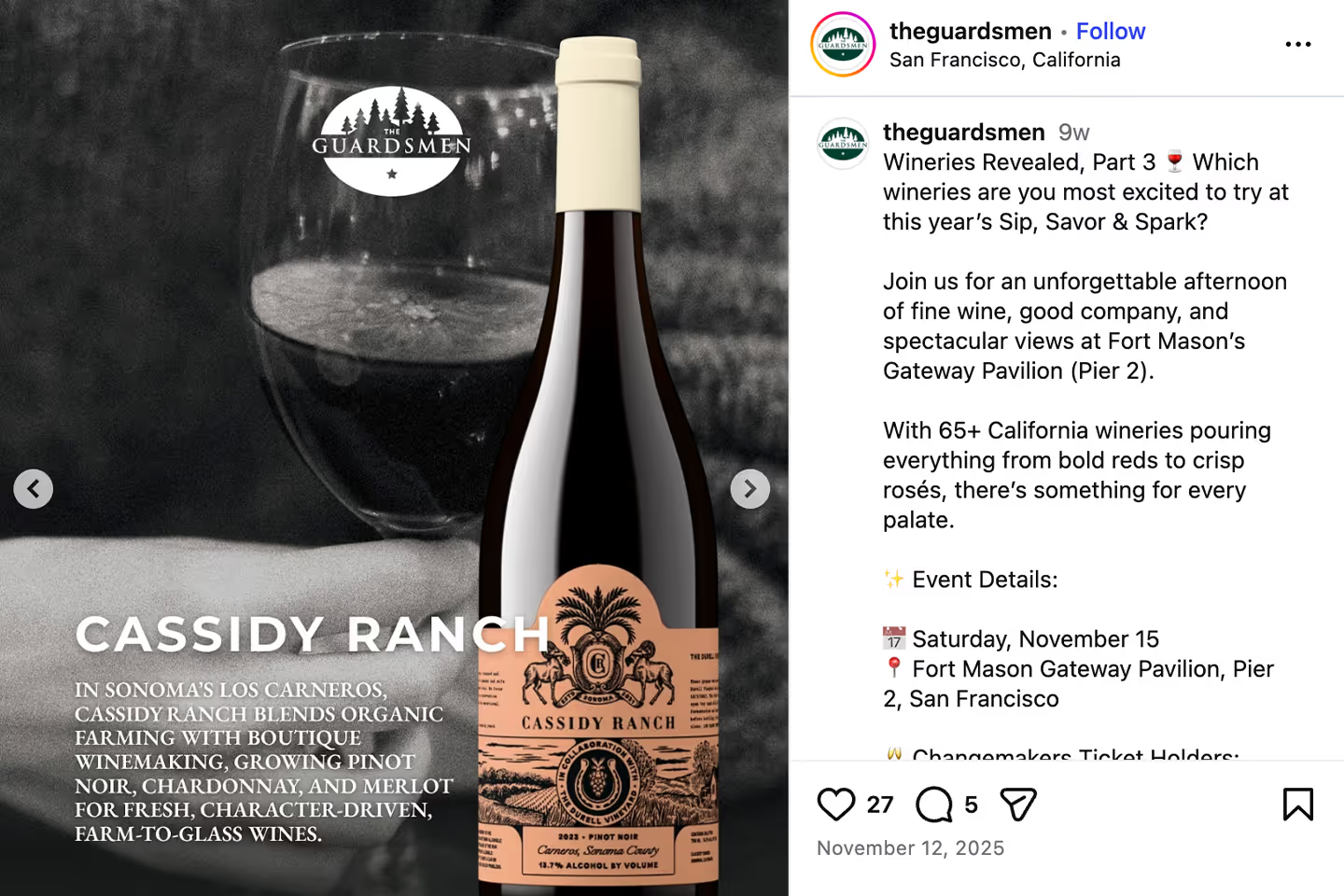
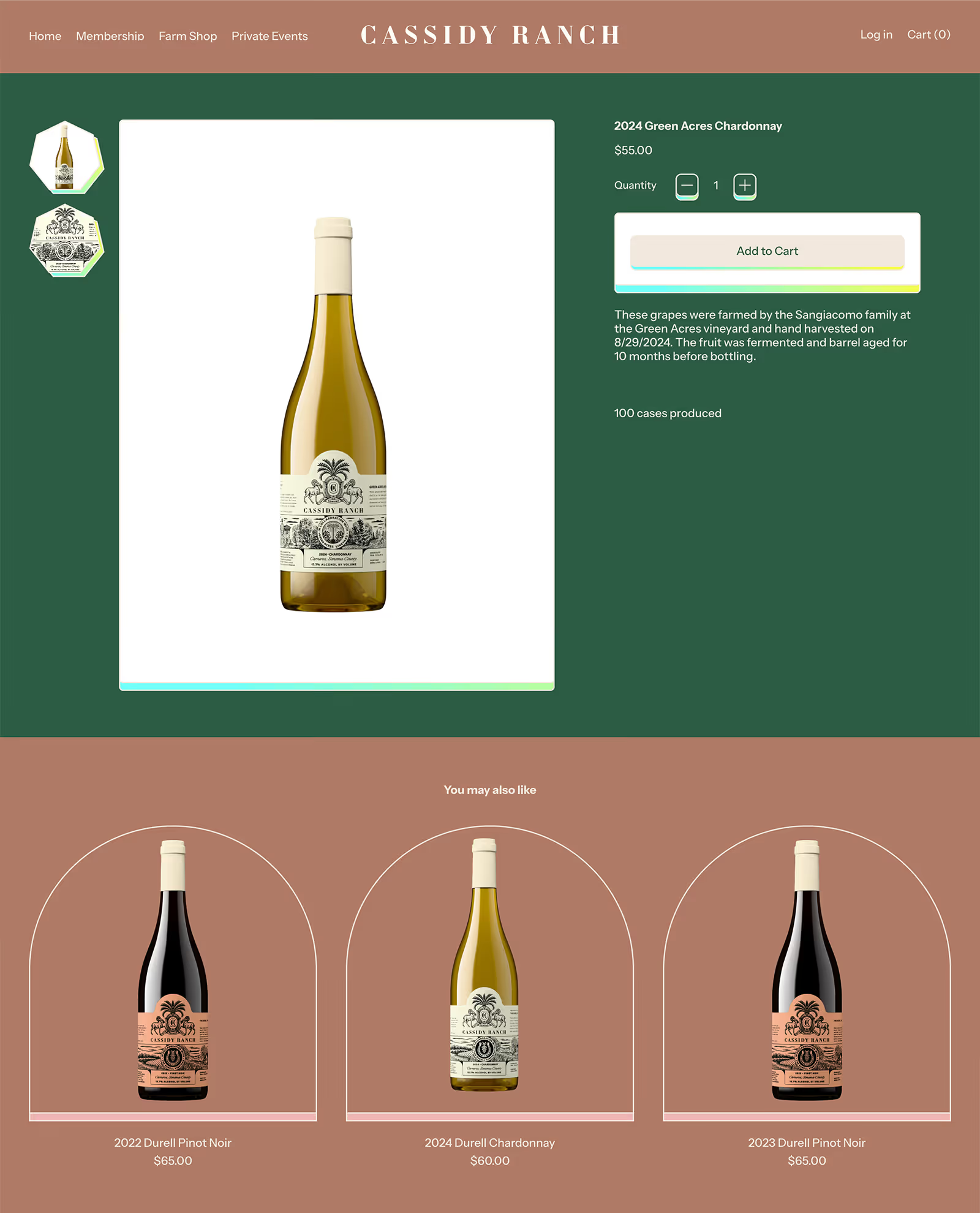
Cassidy Ranch is a great example of how modern brand expression and commerce discipline can coexist. The site pulls you in immediately: video above the fold, playful illustration, confident color, subtle motion. It feels current, welcoming, and intentional.Where it really holds the line is on product.

Every bottle is framed consistently, placed on a dark green background (not default white), readable at a glance, and large enough to do real selling. Clear CTAs, short copy, and smart cross-sell keep momentum going.

Set high standards: Success happens when you establish clear expectations at the very beginning.
Grant creative freedom: Defining excellence gives you the space to be expressive without falling into chaos.
Build structured play: True playfulness isn't a lack of rules; it's proof that your structure is working perfectly.